
Why Climate Conditions Affect Athlete Preparation
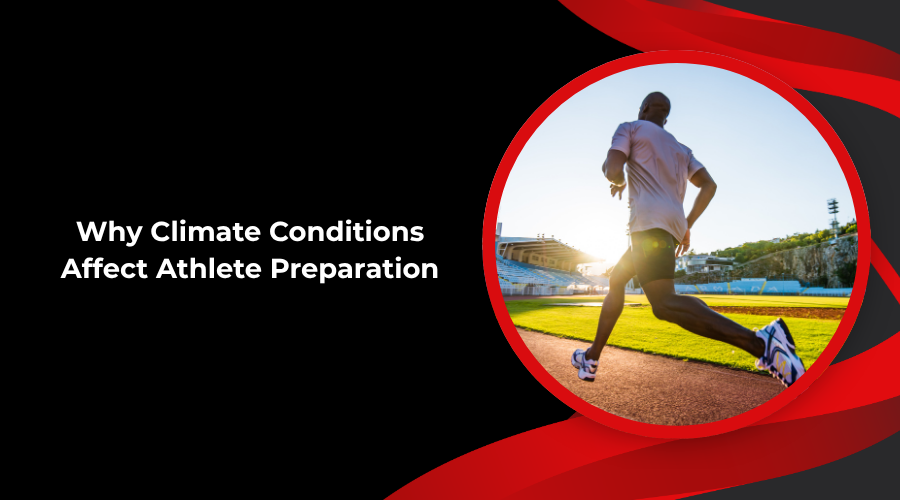
Whether a sprinter has trained in high elevation (Flagstaff, AZ) vs. low elevation (Paris, FR), the differences are measurable on race day. These environmental factors all impact how the athlete stores oxygen, as well as lose heat and recover from their workouts. If coaches do not take into account these different variables when creating a training plan for an athlete, they are simply throwing a dart. While it is true that the physiological impacts of acclimatization have been understood by physiologists for decades, much of the elite-level coaching staff still does not factor this information into their teams' training programs.

$250 in Free Bets

150% Bonus - Reduced Juice

Reduced Juice Lines (-105)
How the Body Responds Differently in Every Environment
The sprinter is challenged by heat and humidity in Doha, while the marathon runner faces cold in Oslo. Many fans follow these conditions and athlete performances through Melbet during major international competitions. Sports betting becomes more exciting when climate conditions directly affect endurance, pacing, and final results. Heat stress imposes greater thermal loads in a humid climate than in a cooler, drier one. This influences how long the athlete can sustain maximal effort before performance drops. The cardiovascular system has to work much harder to circulate blood to the skin for cooling. It is drawing vital resources away from contracting muscles.
Cold-weather climates pose biomechanical problems similar to those in hot weather. When you decrease your muscles' ability to contract due to low temperatures, you also reduce joint mobility. Thus, there exists a higher risk of traumatic injury to soft tissues through explosive activity. Many northern athletes have developed a greater tolerance to very cold air, which can trigger bronchial spasm in athletes trained in warmer climates.
The Factors Coaches Track When Planning Climate-Based Prep
Environmental preparation relies on specific, measurable variables that sports science staff monitor throughout training blocks. Most high-performance programs log environmental data alongside physical output metrics to track how conditions affect workload and recovery.
The core variables include:
- Wet-bulb globe temperature (WBGT): A combined measure of heat, humidity, and solar radiation used to assess heat stress.
- Altitude above sea level: Determines oxygen partial pressure and directly affects VO₂ max response.
- Relative humidity: Influences sweat evaporation rate, which is the body's primary cooling mechanism.
These numbers aren't just safety benchmarks—they're active training tools. A team preparing for the World Cup in Qatar spent months logging WBGT data during afternoon sessions. The adjustments made to session intensity based on that data were significant, and players maintained sprint speed deep into the second half.
Altitude as a Preparation Tool - and a Variable That Demands Respect
Altitude camps are among the most widely used and most frequently misunderstood tools in elite sport. Many fans track altitude preparation and athlete form through the Melbet log in before major competitions begin. Sports betting becomes more interesting when preparation methods strongly influence endurance and race performance. The physiological benefits are real and well-documented. But timing, elevation, and individual response all determine whether a camp helps or harms performance.
What Altitude Actually Does to the Human Body
When athletes train above 2,000 meters, reduced oxygen availability triggers a cascade of physiological adaptations. The kidneys increase erythropoietin production, stimulating red blood cell production and boosting oxygen-carrying capacity at sea level. Hemoglobin concentration typically begins to rise within the first week and continues for 3 to 4 weeks. That's why most well-structured altitude camps run for at least 21 days.
The adaptation doesn't come without cost. Training intensity must drop at elevation because the cardiovascular system is already under hypoxic stress. Athletes who try to maintain sea-level workloads at altitude often plateau or break down entirely. The standard model used by endurance coaches is "live high, train low": athletes sleep at elevation but descend for high-intensity sessions where oxygen availability allows for high-quality work.
How Programs Structure Altitude Blocks for Maximum Return
The timing of altitude exposure relative to competition is one of the most debated topics in sports science. Research has narrowed the optimal window considerably, and most practitioners now follow one of two approaches:
- Racing within 48 hours of descent: Athletes compete while still carrying elevated red blood cell volume before the body resets.
- Racing 21+ days after descent: The body fully returns to sea level while retaining hematological benefits from the camp.
Sea-level performance typically peaks between days 14 and 23 post-descent. Olympic programs schedule camps around competition calendars with that specific window in mind. Athletes returning from altitude also need a structured reintroduction of high-intensity work, as lactate thresholds shift during a hypoxic block. Programs that skip this step regularly see underperformance in the first week back, despite excellent aerobic condition.
Heat, Cold, and Humidity - A Comparison Table Coaches Actually Use
Environmental conditions force concrete adjustments to training volume, session timing, and recovery protocols. The differences between heat, cold, and high-humidity environments are distinct enough that coaches treat each as a separate preparation category.
Below is a breakdown of how each climate type affects athlete preparation:
|
Climate Type |
Primary Challenge |
Training Adjustment |
Recovery Priority |
|
High heat (>30°C) |
Core temperature regulation |
Reduce volume, shift to morning sessions |
Cooling protocols, fluid replacement |
|
High humidity (>80% RH) |
Impaired sweat evaporation |
Lower intensity, increase rest intervals |
Electrolyte restoration |
|
Cold (<5°C) |
Reduced muscle elasticity |
Extended warm-up, insulated layering |
Core temperature retention post-session |
|
High altitude (>2,000m) |
Hypoxia, reduced VO₂ max |
Drop intensity 10–15%, build aerobic base |
Sleep quality, iron intake monitoring |
This table reflects the operational logic used by most national-level programs when preparing for competition in non-native climates. The specifics shift by sport — a road cyclist and a rugby forward won't use identical heat protocols — but the underlying physiology applies across disciplines.
How Heat Acclimatization Training Works in Practice
Elite athletes are now practicing an intentional heat load before competitions in high-temperature environments. Heat acclimatization is achieved through repeated exposure of the athlete to temperatures between 35 and 40°C. Typically, 10 to 14 total exposures occur within a very short time frame. Blood flow under thermal stress is improved, as is plasma volume. Also, heat acclimatization has increased athletes' sweat rates, allowing them to lose heat more quickly.
The British Cycling Team used heat acclimatization before the 2012 Olympic Games in London. The games were being held in the UK (home). While coaches anticipated warmer weather than riders typically experience in England, it was still cooler than planned for heat acclimatization. To create additional heat stress while using safe methods, riders would train in heated indoor rooms wearing additional layers of clothing. After completing the 10-day program, many of the cyclists demonstrated lower heart rates during training in similar outdoor conditions.
Cold-Weather Adaptation and the Risks That Coaches Underestimate
Athletes who train in cold weather do so at their own risk. They may not be aware of how much their respiratory systems are affected by extremely cold temperatures during exercise. Repeated exposure to below-freezing temperatures can cause problems with your sensitive bronchi (the tubes leading to your lungs). This is particularly a concern for elite endurance athletes such as Nordic ski racers, ice hockey players, and speed skaters. They have a higher risk of developing respiratory problems than athletes competing in warmer climates.
Extreme cold can negatively affect the muscles, tendons, and ligaments of athletes participating in prolonged, strenuous training sessions. During the winter months, hamstrings behave differently due to lower body temperature. Thus, soft-tissue injuries occur more frequently immediately after athletes resume activity following extended winter breaks. Many elite strength programs require long static and dynamic warm-ups before cold-weather training sessions. These exercises help reduce injury risk and prepare muscles for intense physical demands.
What the Best Programs Get Right That Most Others Miss
Elite climate preparation will depend on how each athlete reacts and on their current physical condition. Even elite players may react very differently in extreme heat or altitude under high-intensity conditions. Many programs use medical screening before all training camps to test an athlete's body and determine what it can endure. Coaches then utilize this information to determine if an athlete can handle even more physical stress without putting themselves at risk.


Chat
Rules
The goal of chat is to talk sports and sports betting! Help each other by sharing picks and having a good time!
Below will not be tolerated
You can chat about most things to a certain extent. Exception is absolutely NO talking about Religion or Politics.
- There will be NO talking about others or their families
- There will be NO name calling.
- There will be NO rambling on or repeating the same thing over and over.
- There will be NO racist or sexist comments.
- There will be NO posting of other websites.
Basically treat others the way you would like to be treated.
Break the rules

- 1st warning a 24 hour ban
- 2nd warning 7 day ban
- 3rd warning a lifetime ban