
The Optical Illusion of Trust: Take the Deepfake Challenge and Test Your Digital Literacy
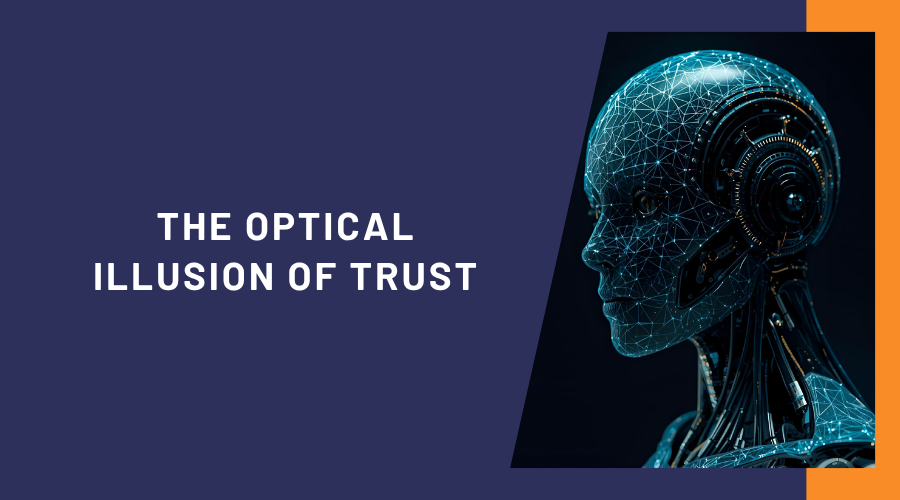
A smiling politician promises reform in a viral video—but moments later, experts reveal it’s a deepfake. In today’s hyper-digital age, the once-reliable evidence of “I saw it with my own eyes” has lost its certainty. The rise of AI-generated videos and audio has blurred the boundary between truth and illusion. This shift raises a critical question for everyone who consumes online content: how can we trust what we see and hear? Deepfakes are no longer just a technological curiosity—they have become a societal test of awareness, ethics, and literacy.

$250 in Free Bets

$750 Bonus - Reduced Juice

$500 Free Play - *Limited Time*
The Rise of Deepfakes: A Brief Overview
Before deepfakes became a household term, photo manipulation was the peak of digital trickery. Now, advanced algorithms use machine learning to create realistic faces, voices, and even emotions. The technology, originally developed for creative and entertainment purposes, has evolved into a powerful tool—capable of both innovation and deception.
Even industries beyond media are learning to adapt. For example, platforms like NVCasino prioritize transparency and responsible digital engagement to build user trust. As online experiences become increasingly immersive, understanding the mechanics behind digital content—whether in gaming, news, or social media—becomes essential to navigating this new landscape responsibly.
How Deepfakes Work: The Technology Behind the Illusion
Deepfakes rely on generative adversarial networks (GANs), a type of AI model where two neural networks compete:
The Generator creates fake content, including images, voices, and videos.
The Discriminator evaluates whether the content looks real or fake.
Through thousands of iterations, both networks improve until the generator produces content that even the discriminator can’t distinguish from reality. This process explains why deepfakes appear so authentic—and why spotting them requires sharp digital literacy.
Common Signs of a Deepfake
While technology evolves, subtle inconsistencies often reveal what’s fabricated:
1.) Unnatural blinking or facial movement – AI often struggles to mimic organic gestures.
2.) Inconsistent lighting or shadows – Real scenes rarely have perfect illumination.
3.) Odd audio synchronization – Speech may not perfectly match lip movements.
4.) Unusual background artifacts – Look for distortion around hair or edges.
Recognizing these clues is a first defense against digital deception.
Why Deepfakes Matter: The Trust Crisis in the Digital Age
The implications of deepfakes go far beyond entertainment. Fake videos can spread misinformation, influence elections, or damage reputations within hours. They erode one of society’s most fundamental pillars—trust. When people can no longer rely on visual evidence, skepticism becomes a default state, undermining collective confidence in institutions and the information they provide.
However, not all uses of deepfake technology are harmful. In cinema, education, and gaming, realistic simulations can enhance storytelling and learning experiences. The real challenge lies in maintaining ethical standards and equipping individuals to identify manipulations before they cause harm.
The Deepfake Challenge: Testing Your Awareness
Digital literacy is not just about knowing how to use technology—it’s about understanding how technology can be used against you. The Deepfake Challenge is an interactive concept that encourages users to test their ability to tell fact from fiction.
How to Try the Deepfake Challenge Yourself
To build sharper awareness, follow these simple steps:
1.) Watch a series of mixed real and fake videos—available on educational or media literacy platforms.
2.) Note your first impressions—which ones seem real, and why?
3.) Check for verified results—see how many you identified correctly.
4.) Reflect on your reasoning—what cues led you to doubt or believe?
The challenge is more than a game; it’s a learning tool that reveals how easily perception can be influenced by subtle cues and emotional triggers.
Building Digital Literacy: Practical Steps for Everyone
Developing a critical mindset is the strongest protection against digital manipulation. Here are practical ways to strengthen your skills:
Pause before sharing: A few seconds of verification can prevent misinformation from spreading.
Use trusted fact-checking tools: Platforms like Snopes, Reuters Fact Check, or Media Bias/Fact Check help confirm the authenticity of information.
Learn the basics of visual forensics: Understanding pixel patterns and shadow consistency can help expose digital tampering.
Stay informed: Following credible tech and media literacy sources ensures you remain aware of new threats.
Digital literacy is a continuous process, not a one-time lesson. As technology evolves, so must our vigilance and adaptability.
The Future of Trust: Technology, Regulation, and Responsibility
AI-driven media is here to stay, but the way society responds will shape its long-term effects. Regulatory frameworks are emerging to penalize the malicious use of deepfakes, while researchers are developing watermarking and detection systems to label AI-generated content.
Equally important is the role of public education. Schools and online communities must teach critical evaluation skills in conjunction with technical literacy. When individuals understand both the potential and the pitfalls of AI, they can participate more confidently in the digital world.
Beyond the Illusion: Rethinking Authenticity
The deepfake phenomenon invites us to reconsider what authenticity means in an era of synthetic reality. It reminds us that truth is no longer guaranteed by what we see but must be verified through context, evidence, and critical thinking.
As the line between genuine and artificial continues to blur, every user becomes a gatekeeper of digital integrity. Whether you’re scrolling through social media, watching a viral clip, or exploring interactive platforms, the responsibility to question and verify is in your hands.
By participating in the Deepfake Challenge and enhancing your digital literacy, you not only protect yourself but also contribute to rebuilding a culture of informed trust in the digital age.


Chat
Rules
The goal of chat is to talk sports and sports betting! Help each other by sharing picks and having a good time!
Below will not be tolerated
You can chat about most things to a certain extent. Exception is absolutely NO talking about Religion or Politics.
- There will be NO talking about others or their families
- There will be NO name calling.
- There will be NO rambling on or repeating the same thing over and over.
- There will be NO sexist comments.
- There will be NO posting of other websites.
Basically treat others the way you would like to be treated.
Break the rules

- 1st warning a 24 hour ban
- 2nd warning 7 day ban
- 3rd warning a lifetime ban